Dilwale Dulhania Le Jayenge (DDLJ) is a 1995 Indian romantic drama directed by Aditya Chopra, starring Shah Rukh Khan and Kajol. It's known for its enduring popularity, iconic scenes ( mustard field, train finale), memorable soundtrack by Jatin–Lalit, and themes of love, family, and tradition. It holds a record for one of the longest theatrical runs in Indian cinema and is considered a landmark in Bollywood romance.
But DDLJ is not a story about staying in Europe; it is a story about returning. The film pivots dramatically when Simran’s father, Baldev Singh (Amrish Puri), forces the family back to the rustic village of Punjab. This is where the film performs its most important ideological work. The West represents individual freedom (love), while India represents collective duty (family honor). Chopra refuses to let the protagonist choose one over the other. Raj famously declares, "Jaa Simran jaa, jee le apni zindagi" (Go Simran, go live your life), but then immediately follows her to India to win her father’s blessing. Dilwale Dulhania Le Jayenge.mkv
, takes her to India to fulfill a long-standing promise of an arranged marriage. Instead of eloping, Raj follows them to Punjab, determined to win the heart and approval of Simran's entire family. Cultural Impact & Legacy Dilwale Dulhania Le Jayenge (DDLJ) is a 1995
Composed by the duo Jatin-Lalit, the soundtrack of DDLJ is timeless. From the upbeat Mere Khwabon Mein to the patriotic zest of Ghar Aaja Pardesi, the music drives the narrative. Tujhe Dekha Toh remains a wedding staple, and Mehndi Laga Ke Rakhna set the standard for sangeet ceremonies worldwide. The Mustard Fields: The song Tujhe Dekha Toh
Dilwale Dulhania Le Jayenge (DDLJ) is a 1995 Indian romantic drama directed by Aditya Chopra, starring Shah Rukh Khan and Kajol. It's known for its enduring popularity, iconic scenes ( mustard field, train finale), memorable soundtrack by Jatin–Lalit, and themes of love, family, and tradition. It holds a record for one of the longest theatrical runs in Indian cinema and is considered a landmark in Bollywood romance.
But DDLJ is not a story about staying in Europe; it is a story about returning. The film pivots dramatically when Simran’s father, Baldev Singh (Amrish Puri), forces the family back to the rustic village of Punjab. This is where the film performs its most important ideological work. The West represents individual freedom (love), while India represents collective duty (family honor). Chopra refuses to let the protagonist choose one over the other. Raj famously declares, "Jaa Simran jaa, jee le apni zindagi" (Go Simran, go live your life), but then immediately follows her to India to win her father’s blessing.
, takes her to India to fulfill a long-standing promise of an arranged marriage. Instead of eloping, Raj follows them to Punjab, determined to win the heart and approval of Simran's entire family. Cultural Impact & Legacy
Composed by the duo Jatin-Lalit, the soundtrack of DDLJ is timeless. From the upbeat Mere Khwabon Mein to the patriotic zest of Ghar Aaja Pardesi, the music drives the narrative. Tujhe Dekha Toh remains a wedding staple, and Mehndi Laga Ke Rakhna set the standard for sangeet ceremonies worldwide.
Wow Mani (TV Series) 2025
| : | Get ready to laugh, blush, and maybe sweat a little with the ultimate sexy comedy gag show packed with steamy skits and segments, ... | ||
|---|---|---|---|
| Genres | : | Series | Comedy | Erotic | |
| Play | : | WATCH NOW |
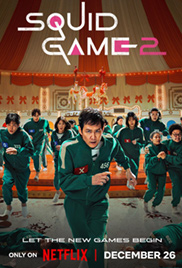
Squid Game 2 2024
| : | Three years after winning Squid Game, Player 456 gave up going to the states and comes back with a new resolution in his mind. Gi-hun once again dives into... | ||
|---|---|---|---|
| Genres | : | Action | Adventure | Drama | |
| Play | : | WATCH NOW |




All Rights Reserved © 2026 PJ Vine