Metal detectors operate on Faraday’s Law of Electromagnetic Induction, utilizing alternating magnetic fields to induce eddy currents in metallic objects, which are then detected by the circuit. Key technologies, including Very Low Frequency (VLF) and Pulse Induction (PI), utilize search coils to detect these fields for applications ranging from security to humanitarian demining. Detailed information on these principles can be found in technical resources like the scribd.com. (PDF) Metal Detector Handbook for Humanitarian Demining
By: Technical Editors | Updated: October 2024
When a person passes through, any metallic object on their body causes a disturbance in that field (eddy currents are induced in the metal). The receiver coils detect the resulting change in phase and amplitude. The system’s signal processor analyzes this change and, if it exceeds a preset threshold, activates an audio and visual alarm.
Inside every metal detector is a precise frequency generator. In Very Low Frequency (VLF) designs, this oscillator creates a sine wave typically between 3 kHz and 30 kHz. The PDF schematics will show a transistor or IC (like the NE555 timer) surrounded by resistors and capacitors that set the frequency stability.
Review Title: Demystifying the Beep: A Must-Read for Hobbyists and Engineers Alike
What happens inside?
As you pass through, the detector creates a magnetic field. Metal objects disrupt that field, triggering an alarm. If the alarm sounds, remain calm, step back, and follow screener instructions.
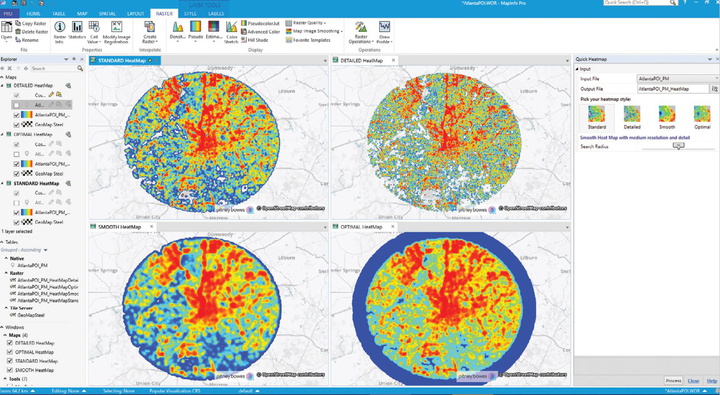
Turn your data into insights using the new heat mapping available within MapInfo Pro inside the metal detector pdf
Start with any file of people, places, or things and visualize the density of the locations as “hot spots” that help you make better decisions. For more power, upgrade to MapInfo® Pro Advanced and work with all kinds of raster data using the fast, highly compressed MRR format.
Make beautiful maps with layout improvements and follow screener instructions.
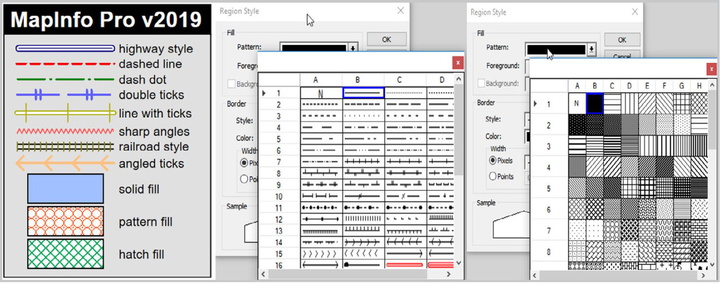
Experience crisp line and fill styles, vectorized legends, faster redraws, snapping and alignment, templates, multipage layouts and improved output quality.
Enhance your location analytics with customized apps in the Marketplace Always get permission
Customized apps are released and updated continuously to help you solve your specific business needs.
Need imagery of a specific area? MapInfo® Pro Drone is available. Looking for additional special purpose tools? We have an app for that, too.

Knowledge Community connects everyone with specialists across Pitney Bowes organization to encourage the exchange of ideas, information and to ask product-related questions.
Knowledge CommunityUseful add-on applications for MapInfo Pro that you can download and install for your license.
ToolsMetal detectors operate on Faraday’s Law of Electromagnetic Induction, utilizing alternating magnetic fields to induce eddy currents in metallic objects, which are then detected by the circuit. Key technologies, including Very Low Frequency (VLF) and Pulse Induction (PI), utilize search coils to detect these fields for applications ranging from security to humanitarian demining. Detailed information on these principles can be found in technical resources like the scribd.com. (PDF) Metal Detector Handbook for Humanitarian Demining
By: Technical Editors | Updated: October 2024
When a person passes through, any metallic object on their body causes a disturbance in that field (eddy currents are induced in the metal). The receiver coils detect the resulting change in phase and amplitude. The system’s signal processor analyzes this change and, if it exceeds a preset threshold, activates an audio and visual alarm.
Inside every metal detector is a precise frequency generator. In Very Low Frequency (VLF) designs, this oscillator creates a sine wave typically between 3 kHz and 30 kHz. The PDF schematics will show a transistor or IC (like the NE555 timer) surrounded by resistors and capacitors that set the frequency stability.
Review Title: Demystifying the Beep: A Must-Read for Hobbyists and Engineers Alike
What happens inside?
As you pass through, the detector creates a magnetic field. Metal objects disrupt that field, triggering an alarm. If the alarm sounds, remain calm, step back, and follow screener instructions.