[WORKING] Steal a Brainrot Script By Script HUB Anti Hit Without Quantum Cloner, Super Jump, High Speed, Auto Laser
I tested the Steal a Brainrot Script by Script Hub, and it is one of the…
Released in 1989, Dead Poets Society is a critically acclaimed drama directed by Peter Weir that remains a touchstone for discussions on education, individuality, and rebellion. Core Summary
Conclusion Subtitles—both the visible captions and the film’s covert thematic refrains—are integral to how The Dead Poets Society communicates its message. Accurate, nuanced on-screen subtitles enable diverse audiences to experience Keating’s rhetoric and the students’ awakenings. The film’s implicit thematic subtitles—carpe diem, the tension between individuality and conformity, and the ambiguous ethics of inspiration—guide interpretation and deepen emotional engagement. Together, these layers of subtitling ensure that The Dead Poets Society continues to resonate across languages and cultures, inviting each viewer to reflect on the costs and promises of living an examined, expressive life. the dead poets society subtitles
Ethical and Practical Considerations in Translation and Captioning Translators and captioners must make ethical choices about how to render delicate emotional beats and culturally specific references. For global audiences, retaining the original references (e.g., to particular poems or historical contexts) may preserve authorial intent, but explanatory paraphrase or brief parenthetical notes can be necessary for comprehension. Captioning for the deaf and hard of hearing also requires representing nonverbal sounds, music cues, and tonal information—elements crucial to a film where silence and music underscore emotional shifts. Released in 1989, Dead Poets Society is a
: Crucial scenes—like the students standing on their desks or Neil’s tragic confrontations with his father—rely on subtle vocal performances by Robin Williams and Robert Sean Leonard. Subtitles ensure that every whispered word of rebellion is understood. “Carpe Diem” – Often left untranslated or rendered
Capturing Literary Nuance: The film is dense with quotes from Walt Whitman, Henry David Thoreau, and Lord Tennyson. High-quality subtitles ensure these verses are attributed and paced correctly, allowing viewers to "suck out all the marrow of life" alongside the characters.
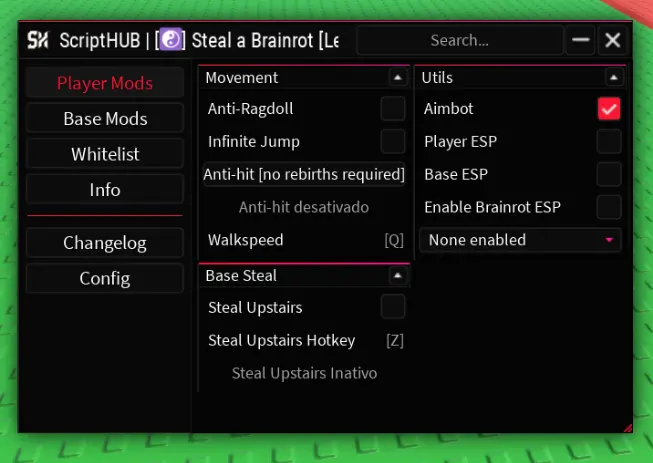
I tested the Steal a Brainrot Script by Script Hub, and it is one of the…

I tried the Steal a Brainrot Script by KDML HUB and it made stealing brainrots much…

I tested the Bloxy Script for Steal A Brainrot, and it is a very strong script…
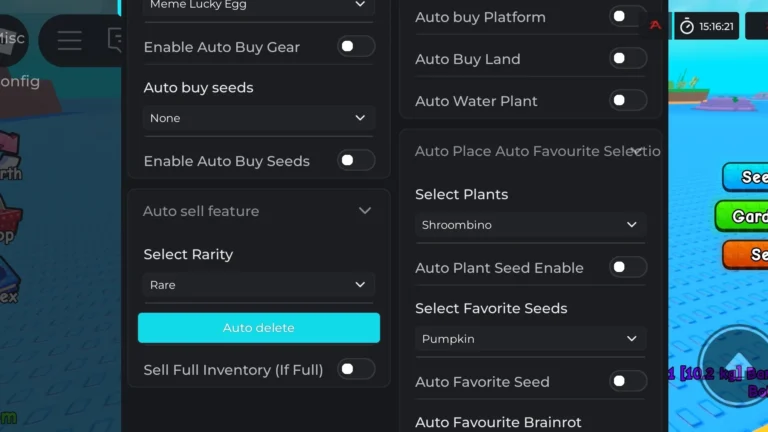
I tested the Plants vs Brainrots Script by Ajjan Hub, and it has many features that…

I tried the Steal a Brainrot Script by NAMELESS HUB and it made the game much…
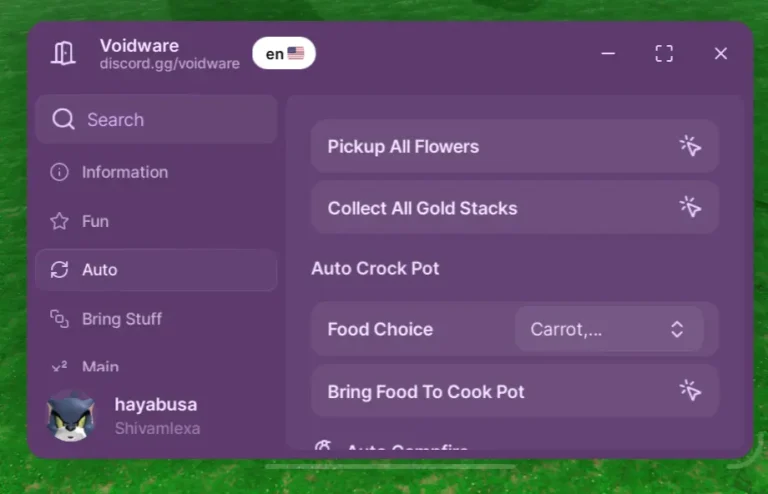
I tried the VOIDWARE 99 Nights in the Forest Script and it gave me a very…