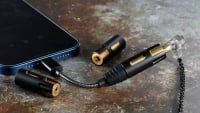
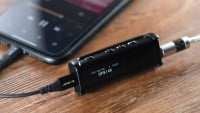
事隔兩年多的時間,Zorloo 為 Ztella 推出第二代了,名為 Ztella II。接駁訊源的一端依舊使用 USB Type-C,做到一插即用,可連接手機、iPad 或個人電腦等等;最大分別是接合耳機的一端,改用上 4.4mm 平衡輸出插口,而輸出功率比上代增強了不少,很容易就可感受得到強大的驅動力。


Tomey Data Transfer Software is a specialized suite designed to bridge the gap between Tomey ophthalmic diagnostic instruments and digital record systems. Its primary function is to automate the export of patient measurements and clinical data to Electronic Medical Records (EMR) or Practice Management Software. 🔬 Core Software Functions
) with local computers or Electronic Medical Record (EMR) systems. It facilitates the export of critical patient data, such as refraction, keratometry, and topography, into manageable formats like CSV or XML. Core Capabilities Automated Data Export
Seamless Integration and Interoperability The primary function of Tomey Data Transfer Software is to eliminate the inefficiencies of manual data entry. Traditionally, technicians would perform measurements on a diagnostic device, print the results, and then manually type those figures into an Electronic Medical Record (EMR) system. This process is not only time-consuming but also prone to human error—a misplaced decimal in keratometry or axial length can lead to disastrous outcomes in cataract or refractive surgery. Tomey’s software automates this pathway. It allows for the direct, bi-directional transfer of patient demographics and measurement data between the Tomey device and the clinic’s EMR or practice management system. By supporting standard communication protocols (such as HL7 or DICOM), the software ensures that data integrity is maintained from the moment the measurement is taken.
In the fast-paced world of eyecare, efficiency isn’t just a luxury—it’s a necessity. Tomey Data Transfer Software is the silent engine that bridges the gap between high-precision diagnostic hardware and your Electronic Medical Record (EMR) system. By automating the flow of patient data, this software eliminates manual entry errors and allows you to spend more time focusing on what matters most: your patients. Tomey Integration Guide Why Use Tomey Data Transfer?
Step 1: The Interface License Most EMR systems require an "Interface License" to receive data. The practice must ensure their EMR vendor supports incoming DICOM or GDT data and that the license is active.
Tomey’s software is engineered to work across a wide range of their product lines. Whether you are using the RC-800 Autorefractor, the FT-1000 Non-Contact Tonometer, or advanced corneal topographers, the software provides a unified interface for data handling. 2. Streamlined Workflow (The "Paperless" Office)
Data Conversion: Typically outputs information in a CSV format that can be easily parsed by practice management software like CrystalPM.
The software is designed to work with a wide range of Tomey instruments, including: Tomey Integration Guide
Tomey Data Transfer Software is a specialized suite designed to bridge the gap between Tomey ophthalmic diagnostic instruments and digital record systems. Its primary function is to automate the export of patient measurements and clinical data to Electronic Medical Records (EMR) or Practice Management Software. 🔬 Core Software Functions
) with local computers or Electronic Medical Record (EMR) systems. It facilitates the export of critical patient data, such as refraction, keratometry, and topography, into manageable formats like CSV or XML. Core Capabilities Automated Data Export
Seamless Integration and Interoperability The primary function of Tomey Data Transfer Software is to eliminate the inefficiencies of manual data entry. Traditionally, technicians would perform measurements on a diagnostic device, print the results, and then manually type those figures into an Electronic Medical Record (EMR) system. This process is not only time-consuming but also prone to human error—a misplaced decimal in keratometry or axial length can lead to disastrous outcomes in cataract or refractive surgery. Tomey’s software automates this pathway. It allows for the direct, bi-directional transfer of patient demographics and measurement data between the Tomey device and the clinic’s EMR or practice management system. By supporting standard communication protocols (such as HL7 or DICOM), the software ensures that data integrity is maintained from the moment the measurement is taken.
In the fast-paced world of eyecare, efficiency isn’t just a luxury—it’s a necessity. Tomey Data Transfer Software is the silent engine that bridges the gap between high-precision diagnostic hardware and your Electronic Medical Record (EMR) system. By automating the flow of patient data, this software eliminates manual entry errors and allows you to spend more time focusing on what matters most: your patients. Tomey Integration Guide Why Use Tomey Data Transfer?
Step 1: The Interface License Most EMR systems require an "Interface License" to receive data. The practice must ensure their EMR vendor supports incoming DICOM or GDT data and that the license is active.
Tomey’s software is engineered to work across a wide range of their product lines. Whether you are using the RC-800 Autorefractor, the FT-1000 Non-Contact Tonometer, or advanced corneal topographers, the software provides a unified interface for data handling. 2. Streamlined Workflow (The "Paperless" Office)
Data Conversion: Typically outputs information in a CSV format that can be easily parsed by practice management software like CrystalPM.
The software is designed to work with a wide range of Tomey instruments, including: Tomey Integration Guide